
Ammonium Sulfate vs Urea

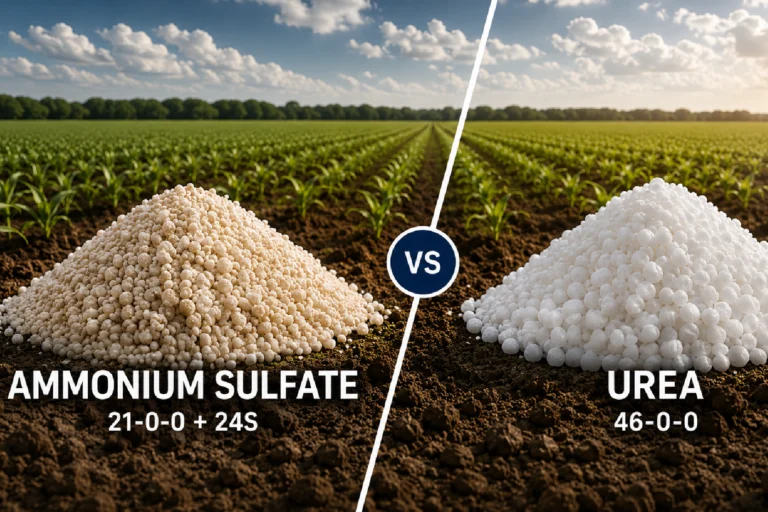
The question "ammonium sulfate vs urea" is often asked as if there is one universal winner. There is not. Both materials are established nitrogen fertilisers, but they differ materially in nutrient composition, sulphur contribution, handling profile, economics per unit of nutrient and fit with the farm or blending programme. A sound choice starts with soil analysis, crop demand, timing, application method, local fertiliser rules and the physical product the buyer can reliably source.

Explore →Ammonium Sulfate vs Urea

Buffering, Rumen pH and Feed Consistency

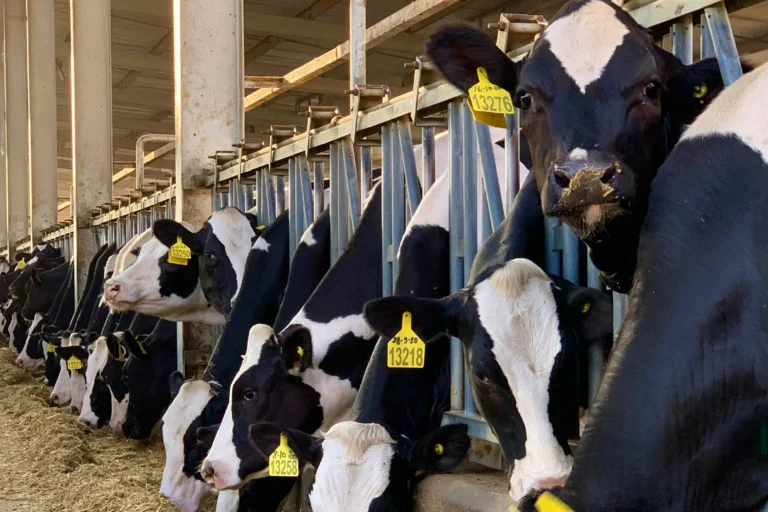
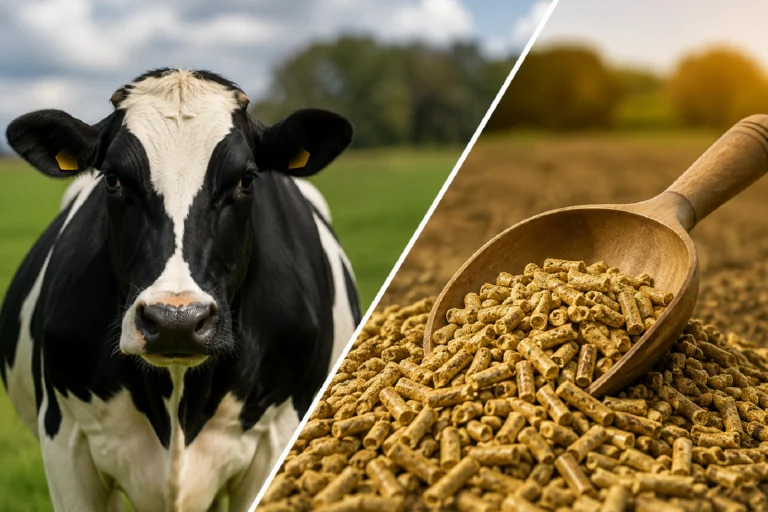
In dairy nutrition, sodium bicarbonate is often discussed as a rumen buffer. That phrase is useful, but incomplete. The relevant decision is not whether a bag of sodium bicarbonate is chemically capable of reacting with acid. The real decision is whether a particular feed-grade ingredient fits the forage, fermentable-carbohydrate profile, animal group, feeding pattern and feed-mill process of a specific dairy programme.

Explore →Buffering, Rumen pH and Feed Consistency

A Technical Guide for Animal Feed Manufacturers

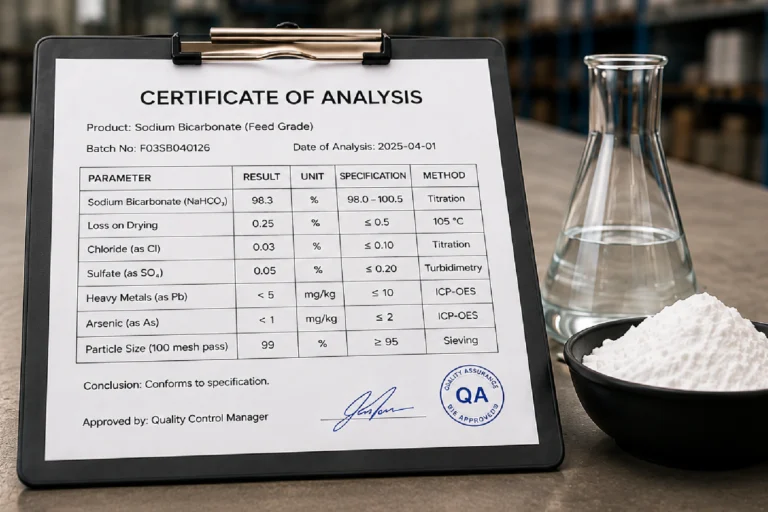
For an animal-feed manufacturer, sodium bicarbonate is not simply a white powder to be purchased by assay and price. In a correctly designed application, it is a buffering ingredient considered within a complete nutritional and manufacturing system. Its potential role is linked to the diet, target species, feeding programme, forage and carbohydrate profile, management conditions and the way the ingredient behaves in the feed mill.

Explore →A Technical Guide for Animal Feed Manufacturers

Why They Matter in Baking-Grade Sodium Bicarbonate

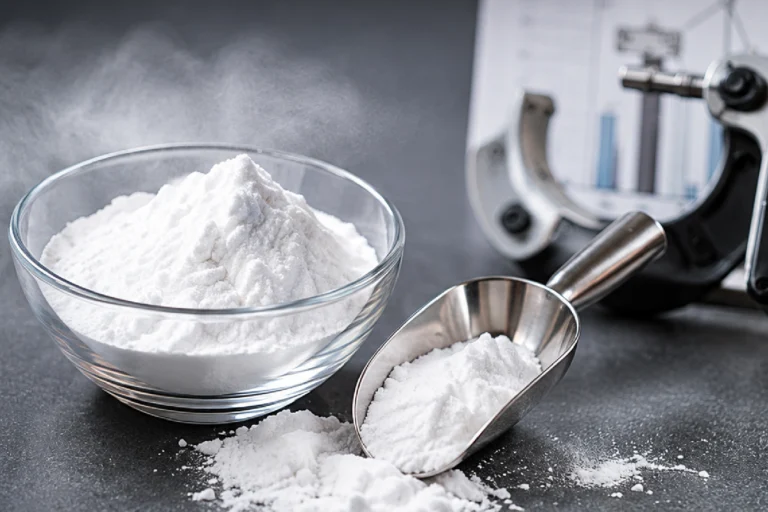
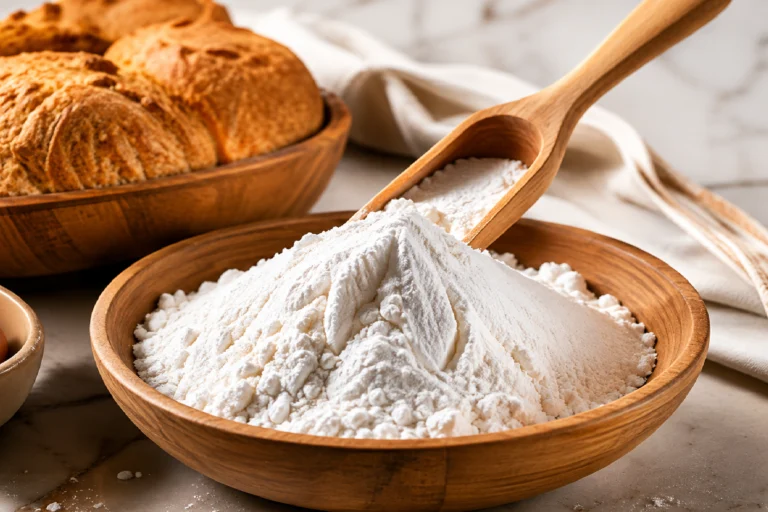
In a bakery or premix plant, the chemical identity of sodium bicarbonate is only one part of performance. Two materials may both meet an assay requirement for NaHCO3, yet behave differently in storage, dry blending, batter dispersion or the timing of carbon-dioxide release. This is why technical teams should look beyond the headline claim of 'food grade' and define the physical attributes that their own process actually needs.

Explore →Why They Matter in Baking-Grade Sodium Bicarbonate

Sodium Bicarbonate in Baking and Leavening Systems

Food-grade sodium bicarbonate is a function-critical processing ingredient—not simply a commodity sold under the familiar name "baking soda." In food manufacturing, its performance depends on how its chemical profile, particle characteristics and handling properties fit the specific formulation and process. When selected and controlled properly, it can support consistent leavening, controlled neutralisation and repeatable product quality across a range of food applications.

Explore →Sodium Bicarbonate in Baking and Leavening Systems

Sodium Bicabonate in Food Processing

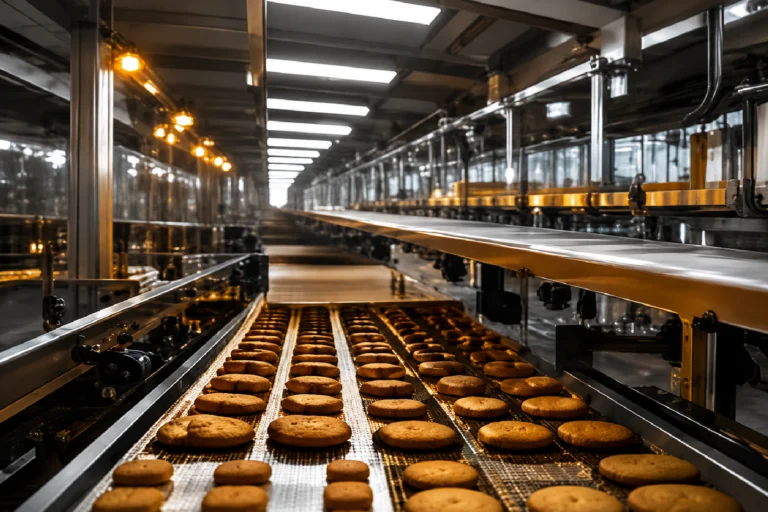
Food-grade sodium bicarbonate is a function-critical processing ingredient—not simply a commodity sold under the familiar name "baking soda." In food manufacturing, its performance depends on how its chemical profile, particle characteristics and handling properties fit the specific formulation and process. When selected and controlled properly, it can support consistent leavening, controlled neutralisation and repeatable product quality across a range of food applications.

Explore →Sodium Bicabonate in Food Processing